A twelve-day guided 4x4 expedition that leaves Namibia at Ruacana and swings north-west through Angola: hot desert giving way to misty mountain forest, down the hairpins of the Leba Pass to the coast at Namibe, then back along beach and dune to the mouth of the Cunene. Border formalities, guides, radios, recovery and three meals a day are handled — you bring the vehicle, the camping kit and an appetite for rough road.
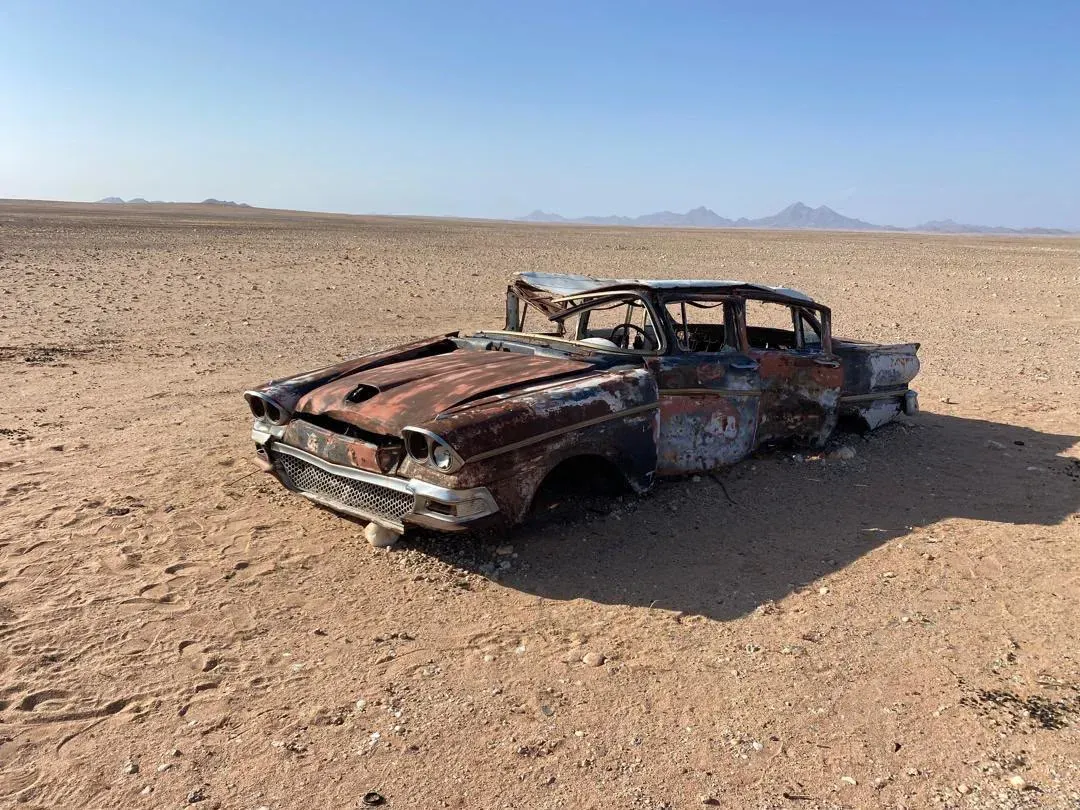
Angola south and west of Lubango is a photographer's country and, for the 4x4 driver, a genuinely demanding one. Your guides meet the group at Ruacana at 17h00 the evening before, and the convoy leaves for the border at 07h30. Passport control and the vehicle and engine inspection take roughly two to four hours depending on the size of the group; after that the road runs to Chitado and a bush camp near Cahama. The stretch on towards Lubango can be rugged going — this is where the vehicle earns its keep.
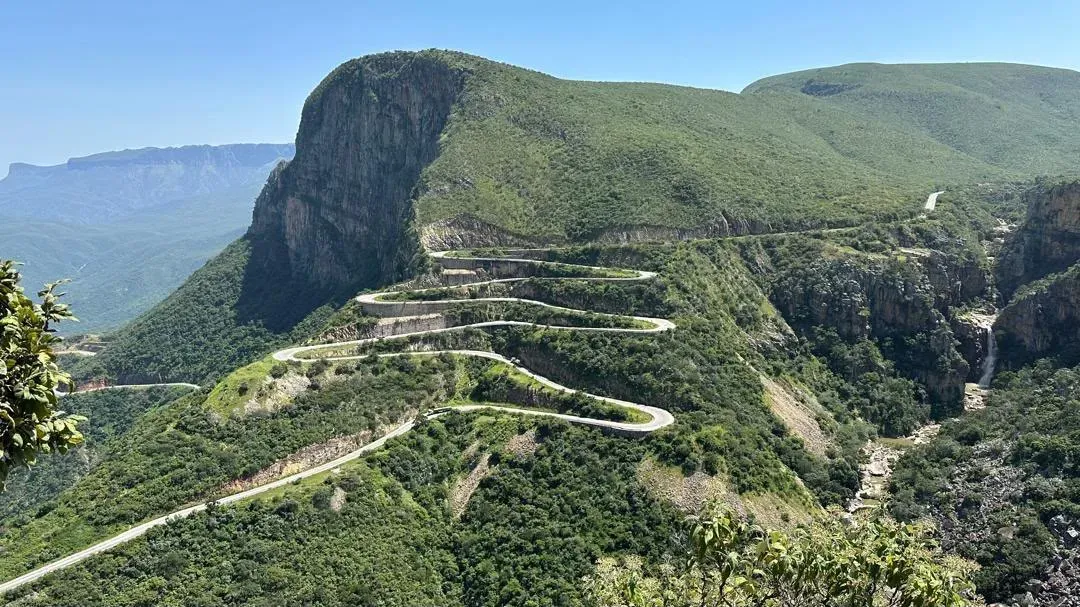
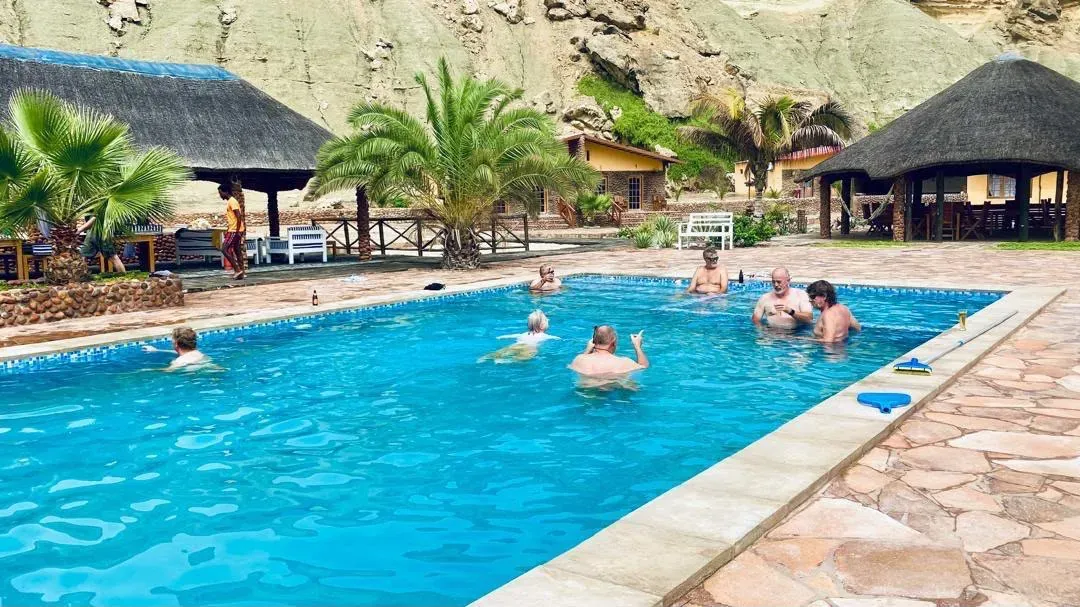
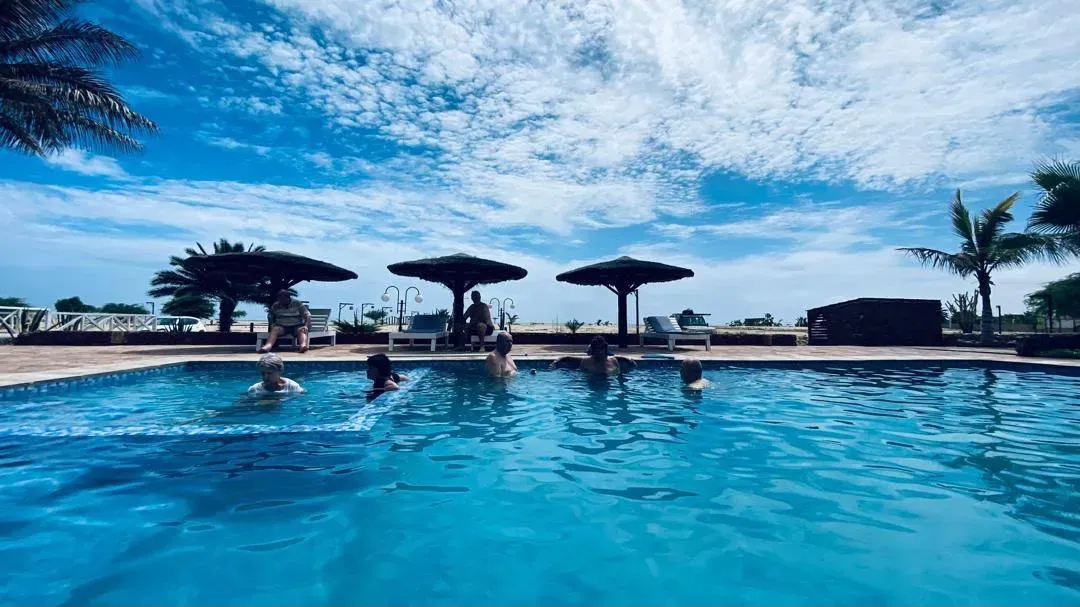
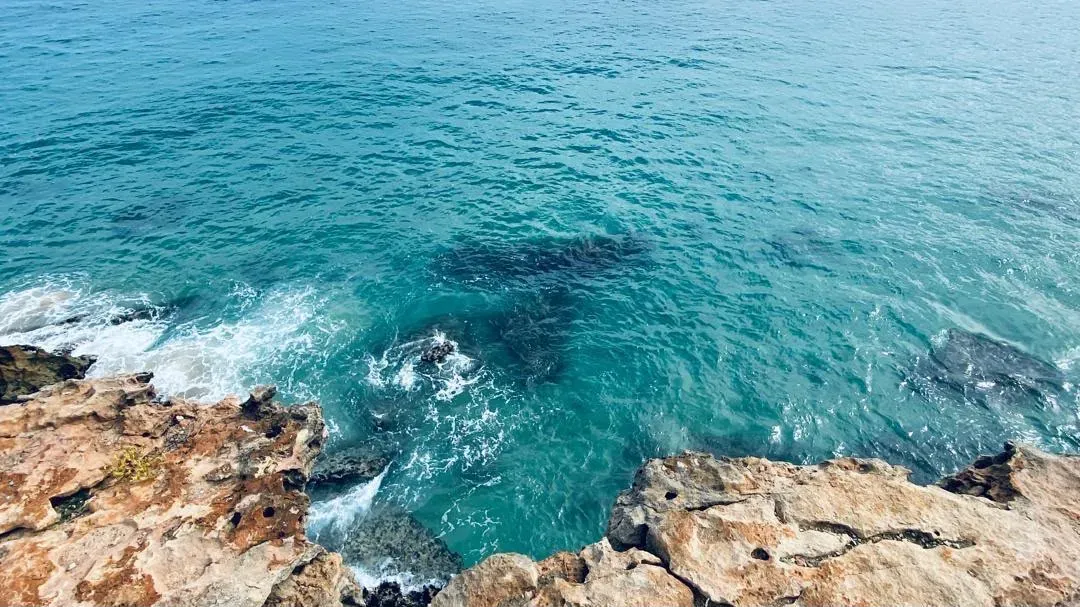
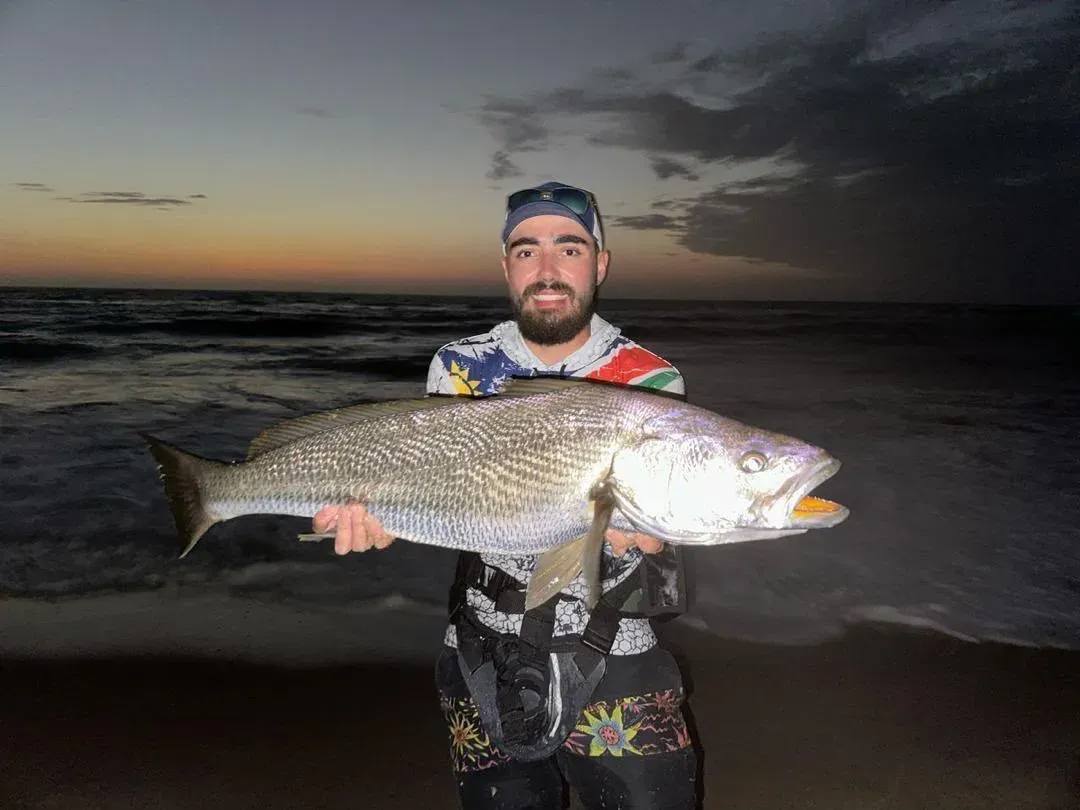
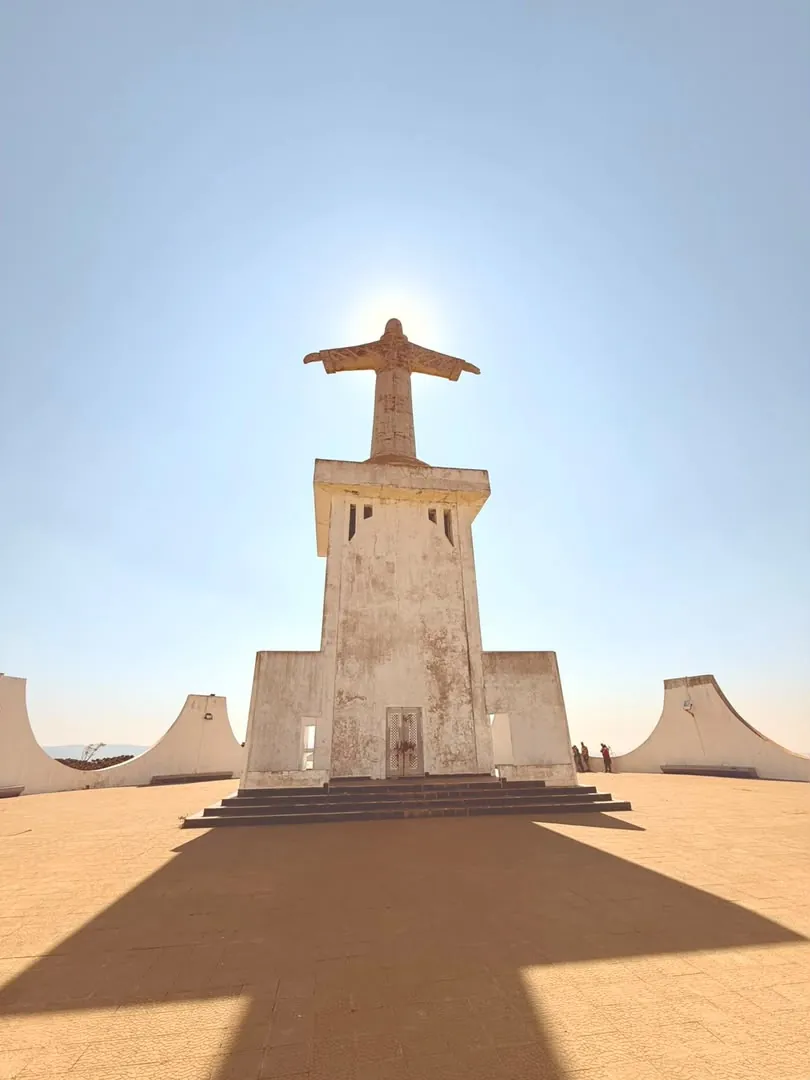
Lubango is the cultural high point. A guided city tour takes in the Cristo Rei statue — one of only three of its kind in the world — and the vertiginous Tundavala Gap, where the plateau simply stops and drops away; lunch is laid on among the hairpin bends of the Leba Pass. From there the route drops to the coast for camping at Baía das Pipas and later at Flamingo, with Namibe the last chance to refuel. Then three days are given over to fishing, or to doing precisely nothing on an empty beach under a very blue sky.
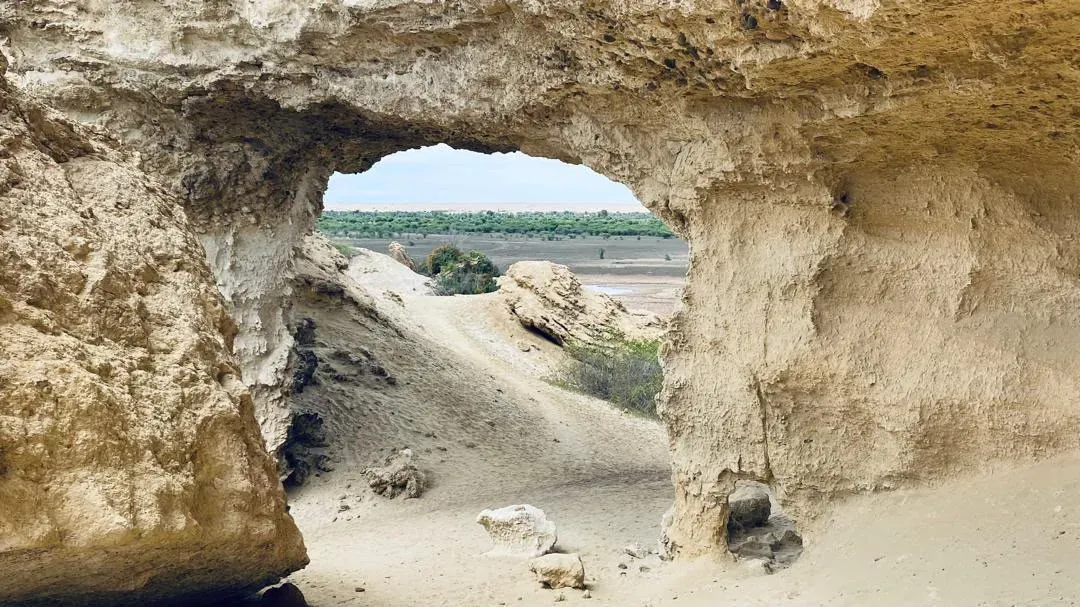
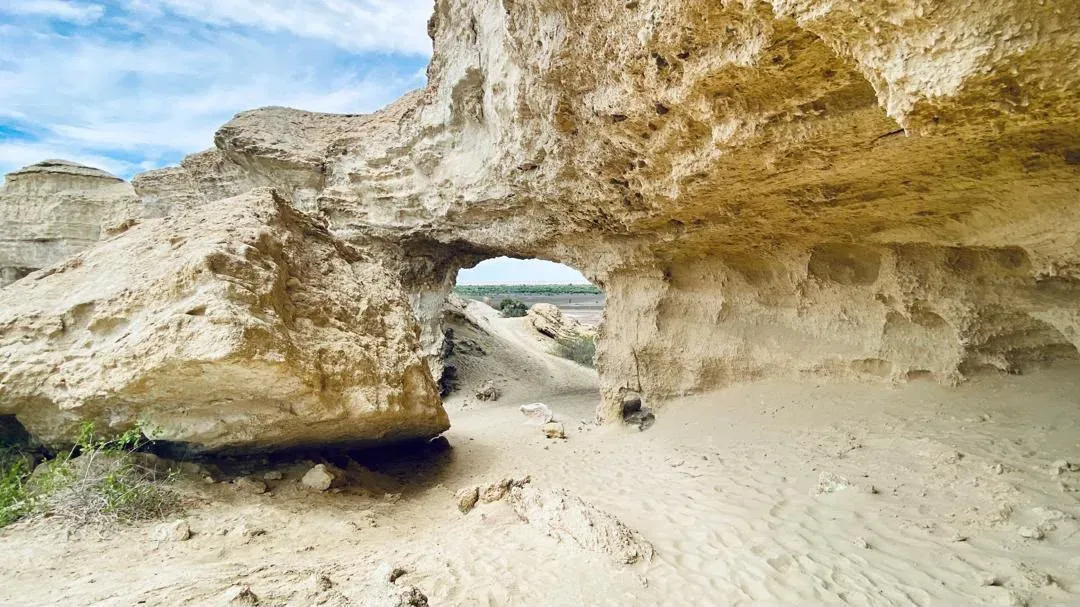
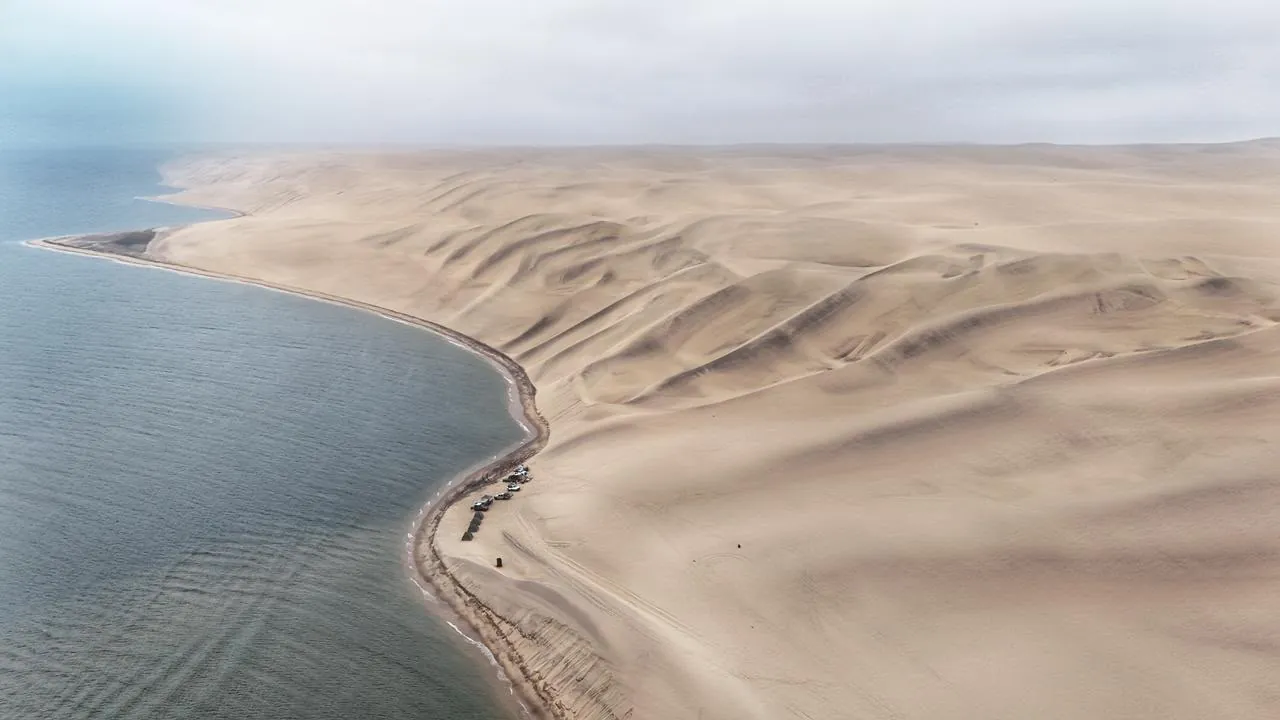
The second half is the wild half. An early start for the Arco, a natural desert lake ringed by rock formations, birdlife and water lilies; then Tombua, and on to Baía dos Tigres over huge dunes and along the beach — or on the beach alone, if the group prefers. Foz do Cunene sits on the river that divides Angola from Namibia, thick riverine green pressed hard up against desert, and it is both good fishing ground and the setting for the trip's most serious dune driving.
The way home runs back via Espinheira to a bush camp in a dry riverbed, another night near Chitado, and the border at 13h00 on the final day. Angola Adventure Safaris, the host operation in-country, has worked this coast since the mid-1980s — it began as a tented camp for fishermen and now runs Flamingo Lodge on the beach some forty kilometres from Namibe. A visa is required, and the Angolan operator's address for the application is provided when you book.
In pictures
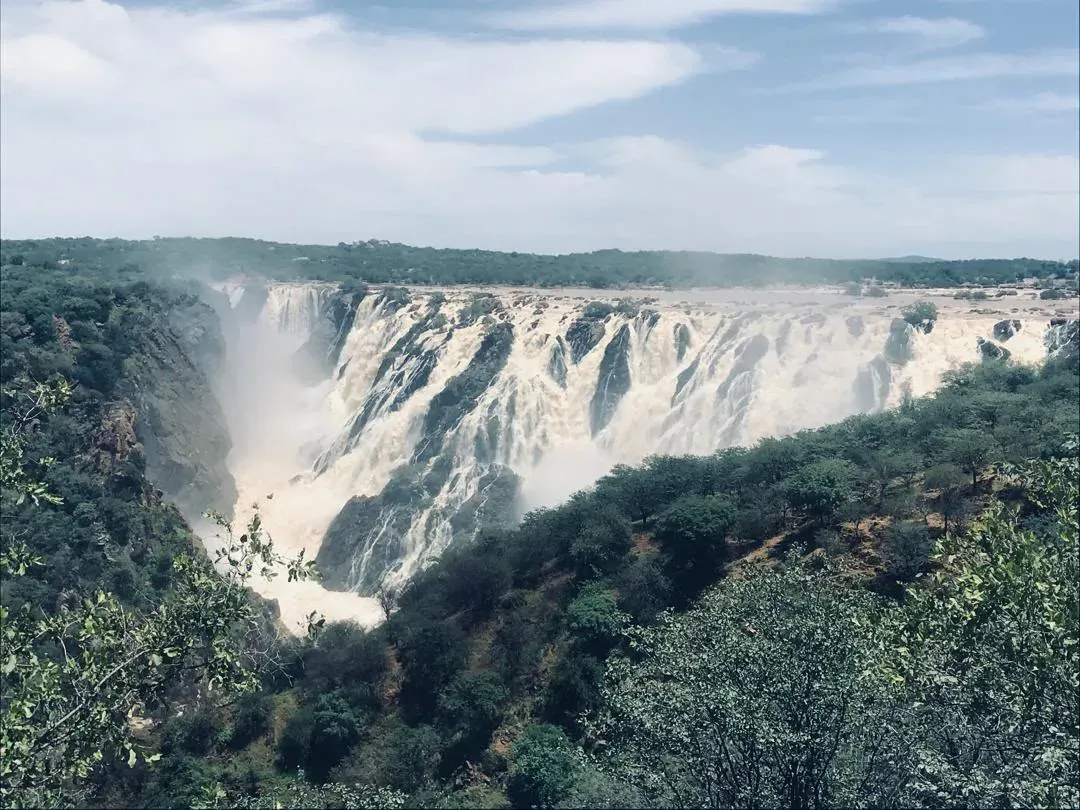
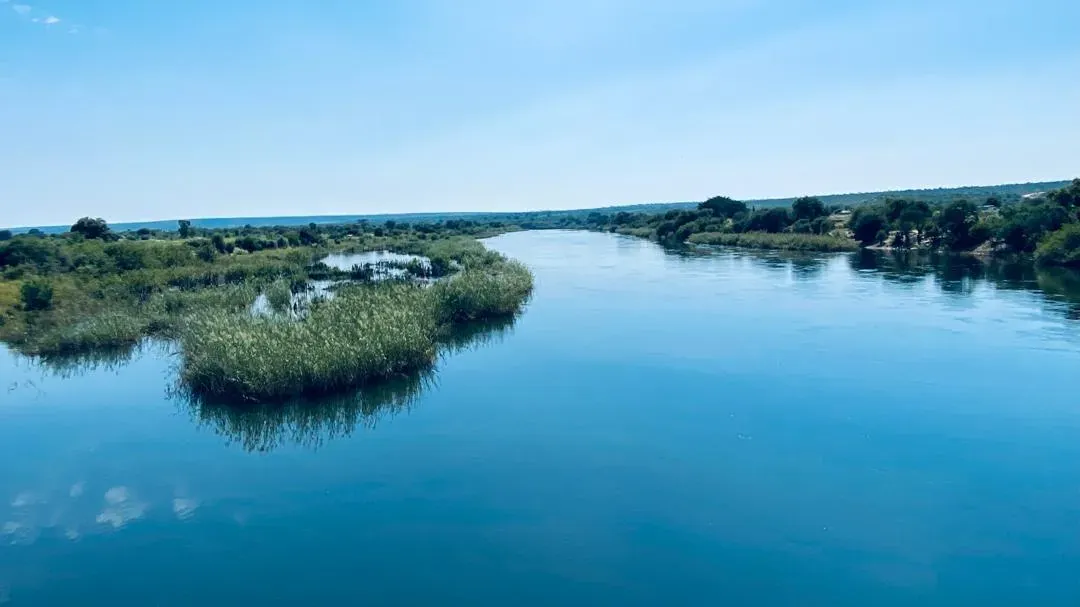
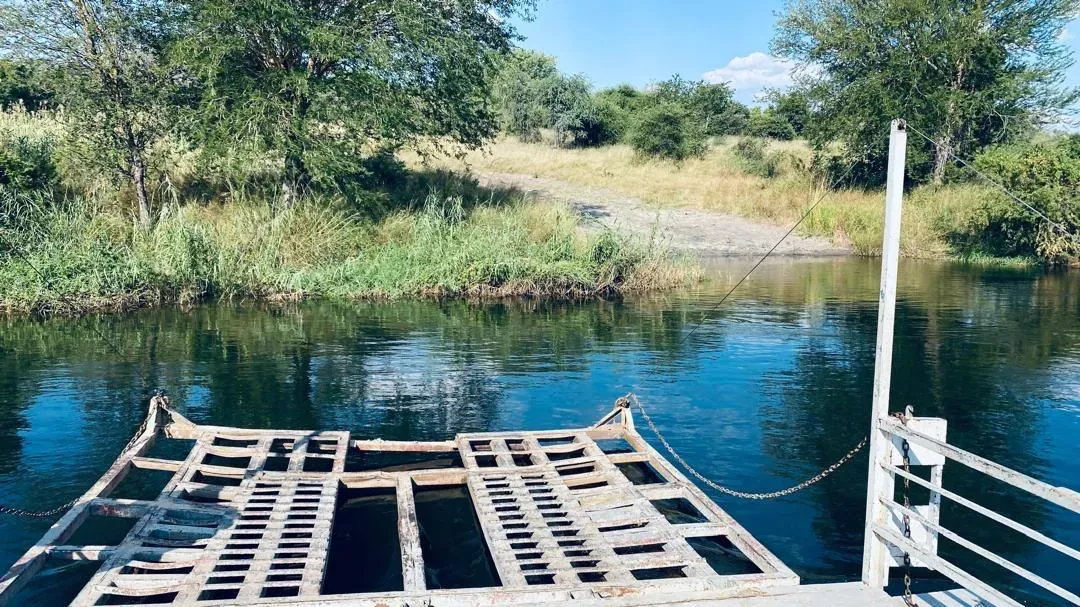
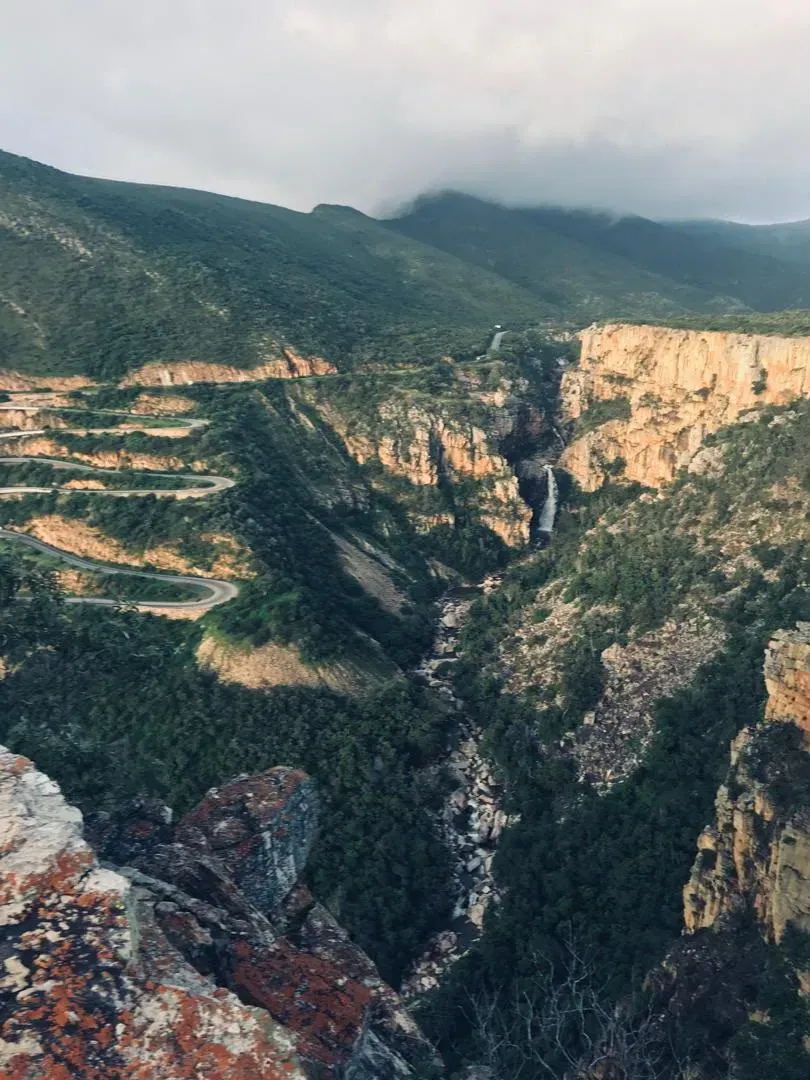
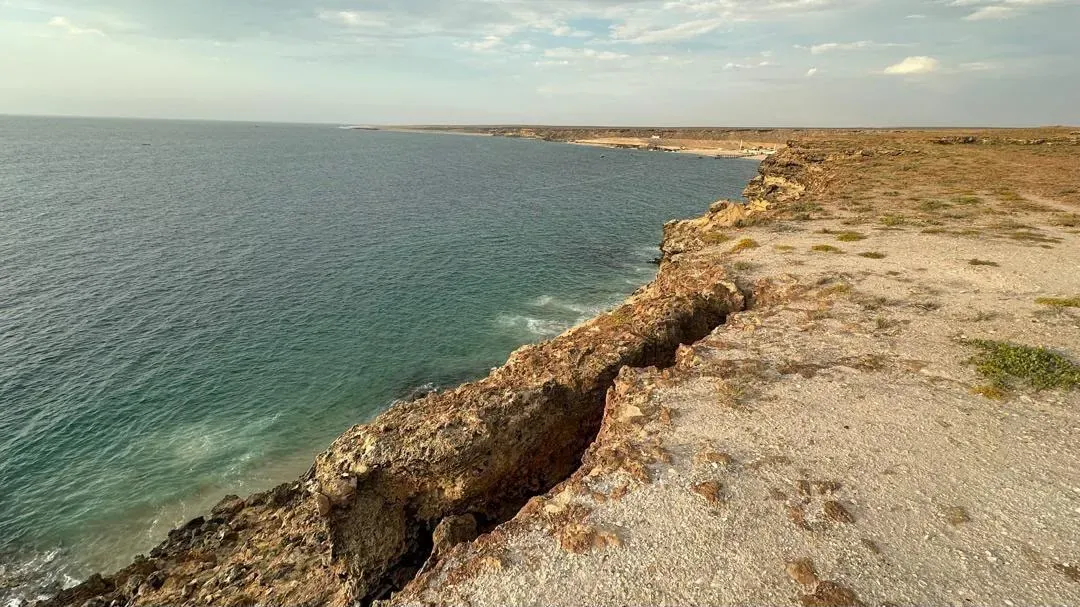
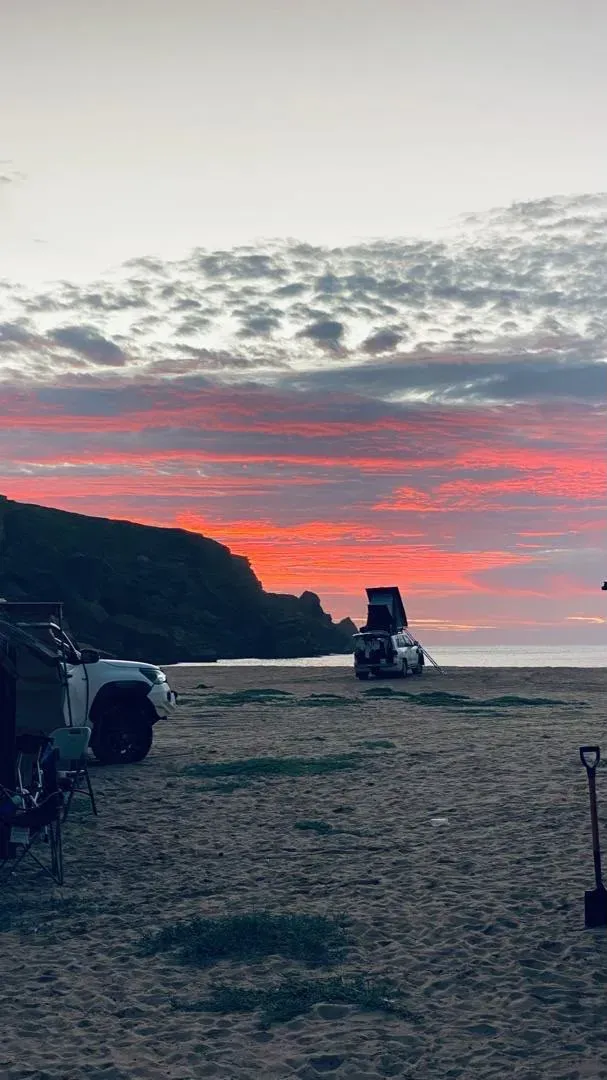
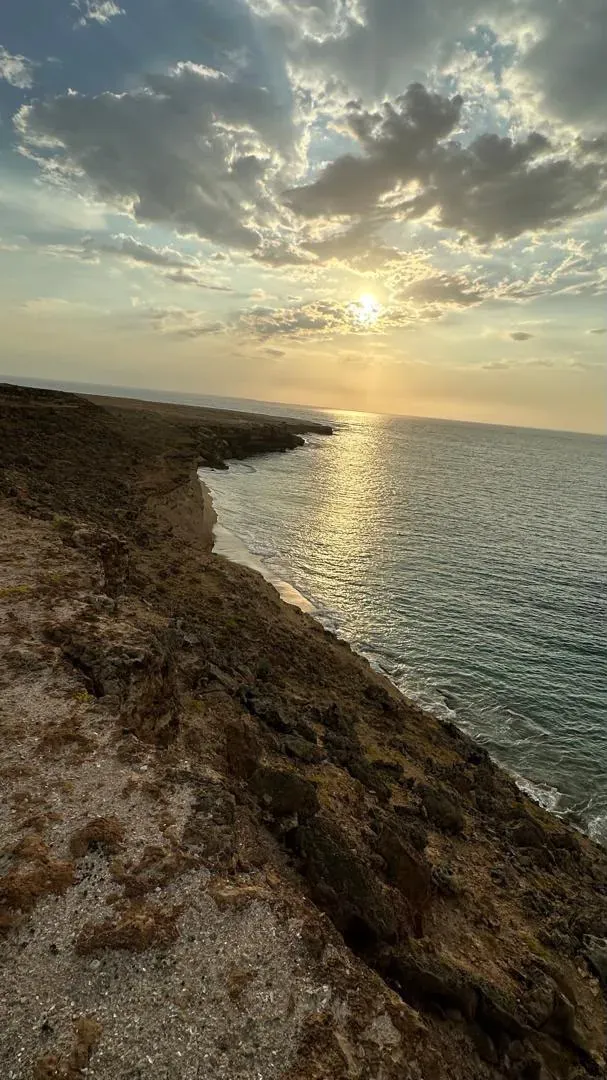
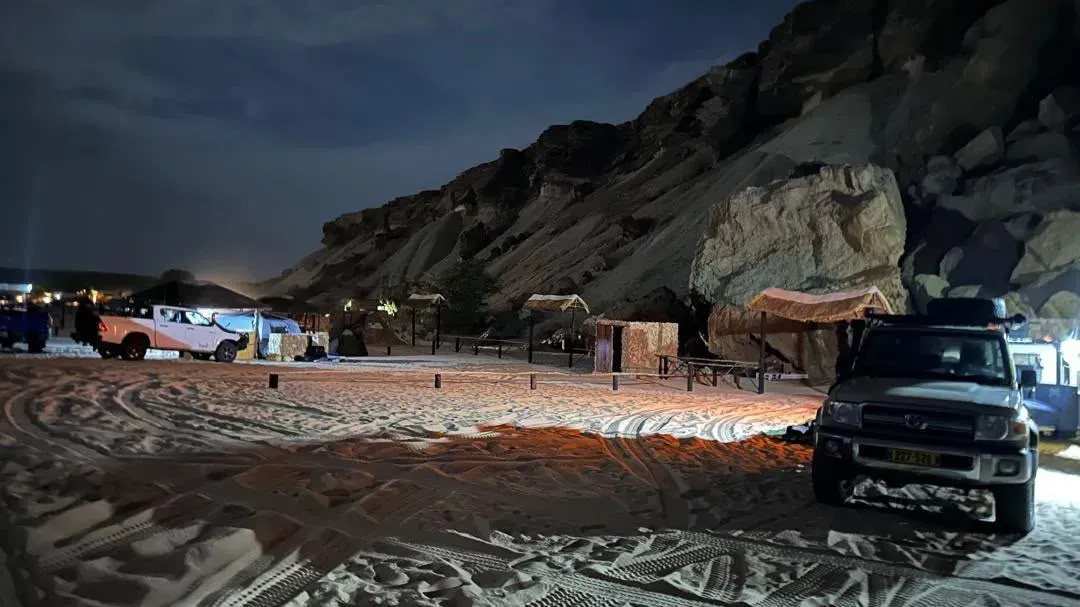
Day by day
What the days actually look like, start to finish.
- The evening beforeMeet at Ruacana
Your guides meet the group at Ruacana at 17h00 the night before departure and run through what the next twelve days will ask of you and your vehicle.
- Day 1Over the border to Chitado
Leave Ruacana at 07h30 for the border. Passport control and the vehicle and engine inspection follow, and take roughly three to four hours depending on the size of the group. Then on to Chitado, and a bush camp near Cahama.
- Day 2North to Lubango
On to Lubango via Cahama. The road can be rugged going, so this is where the 4x4 earns its keep. Camp outside Lubango, up at Tundavala.
- Day 3Lubango, the Tundavala Gap and the Leba Pass
A guided city tour of Lubango, taking in the Cristo Rei statue — one of only three of its kind in the world — and the Tundavala Gap, where the plateau simply stops and drops away. Lunch is prepared among the hairpin bends of the Leba Pass, and then it is tar road down to Namibe and camp at Baía das Pipas, for two to three nights.
- Day 4Fishing, or nothing at all
A day at leisure on the beach: fish, or do precisely nothing under a very blue sky.
- Day 5Fishing, or nothing at all
Another day given over to the sea and the open space.
- Day 6On to Flamingo
Fishing again, then the short move to the Flamingo camp — Namibe is the last chance to refuel — and another day at leisure on the beach.
- Day 7The Arco, and on to Baía dos Tigres
An early start for the Arco, a natural desert lake ringed by rock formations, birdlife and water lilies. Then Tombua to refuel, and on to Baía dos Tigres over huge dunes and along the beach — or on the beach alone, if the group prefers. Camp at Baía dos Tigres.
- Day 8Foz do Cunene
Fishing and the trip's most demanding dune driving, at Foz do Cunene on the river that divides Angola from Namibia — thick riverine green pressed hard against desert, rocky plain and sea. Camp at Foz do Cunene.
- Day 9A second day on the river
More fishing, sightseeing, and the history of this coast from your guide. A second night at the Foz do Cunene campsite.
- Day 10Turning for home
Leave for Ruacana via Espinheira at 12h00, after lunch. Camp is a bush camp in a dry riverbed, roughly 10 to 25 km from Espinheira.
- Day 11Back towards the border
On towards the border, with a camp close to Chitado.
- Day 12Passport control, and home
The border at 13h00, passport control, and the end of the tour.
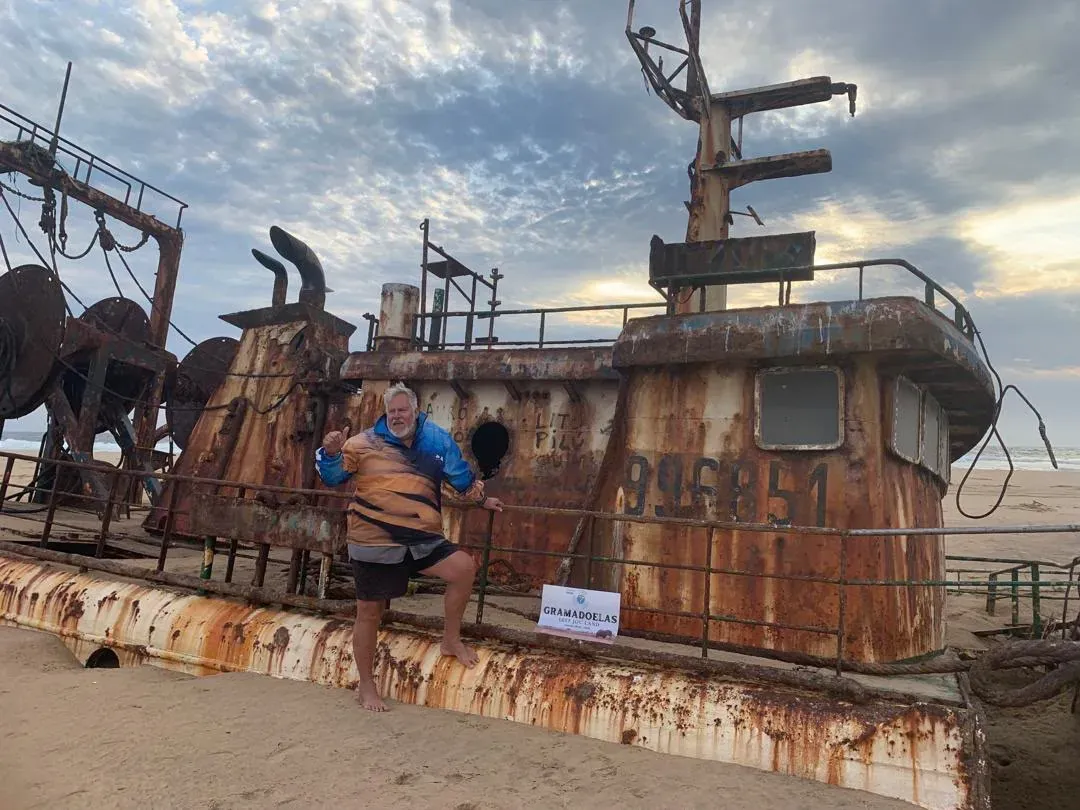
An alternative overland route to Foz do Cunene runs up from Ruacana via Oncocua and Iona — 4x4 only, and two days of rugged driving. Angola Adventure Safaris, the host operation in-country, has worked this coast since the mid-1980s and runs Flamingo Lodge on the beach some forty kilometres from Namibe.
From your guide
The person who leads this trip — because on ground like this, the guide is the trip.
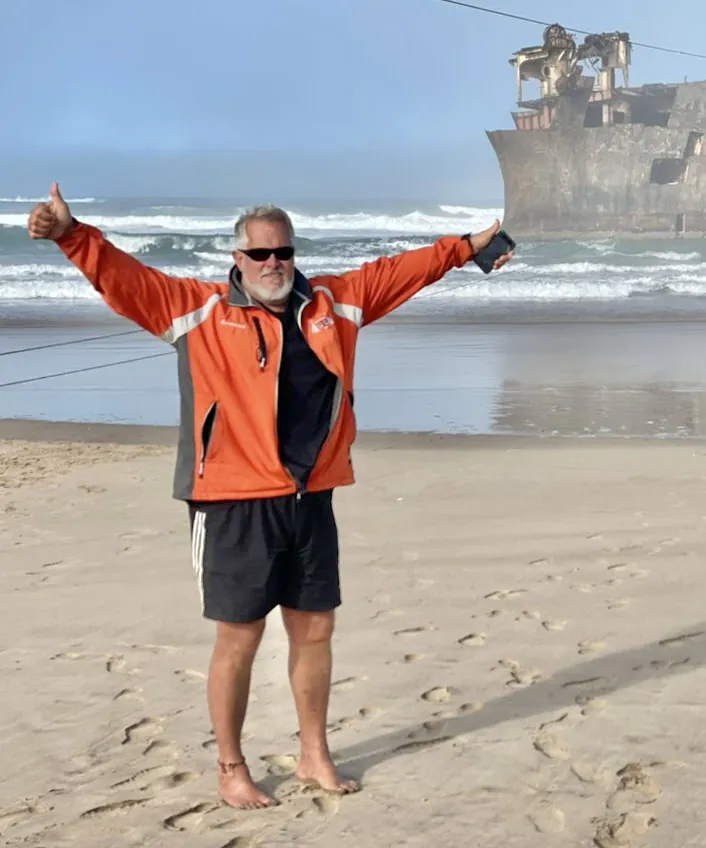
Armand “Wax Hom” Basson
Armand Basson has spent more than twenty-five years driving the remote corners of southern Africa, and is known across Namibia for his skill and professionalism in deep sand. On the Angola run his job starts before the driving does: he meets the group at Ruacana the evening before, walks everyone through the border formalities, and works with Angola Adventure Safaris — on that coast since the mid-1980s — for the in-country half of the trip. Every vehicle carries a radio and recovery is handled on site.
What the tour costs
A guided self-drive expedition across an international border: you bring the 4x4 and the camping kit, the tour brings the guides, the radios and the kitchen.
What's included
- Tour guides and assistants
- Recovery gear and on-site recovery
- Communication radios for every vehicle
- All three meals a day (tea and coffee with meals)
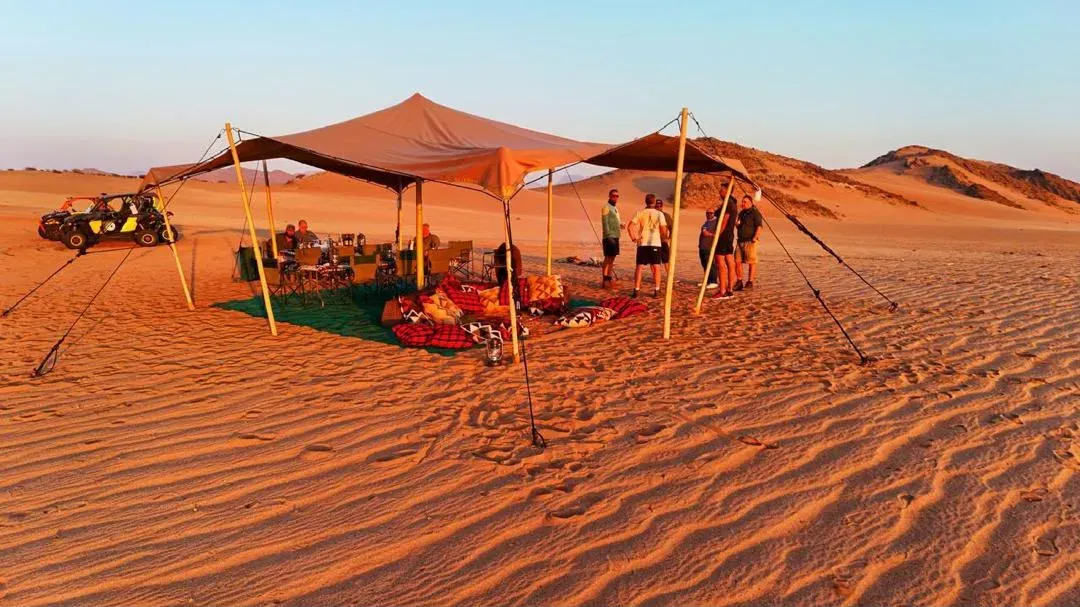
- Communal camping equipment — kitchen, tables, wash-up, showers and toilets
What to bring
- A 4x4 with good ground clearance on high-flotation tyres
- Strong recovery points front and rear, and an extra spare wheel
- Spares — engine, gearbox and transfer-case oil, brake fluid, belts, fuses, hoses
- Fuel for heavy sand: ±3 km/litre petrol, ±4.5 km/litre diesel
- Nothing heavy on the roof — no roof tents, water or fuel up top
- Tent, chair, sleeping bag and pillow, and your own eating utensils
- At least 60 litres of water in total, plus firewood and charcoal
- A shovel, tyre pump and pressure gauge, torch, and bags for your own waste
- A valid visa — the operator's address for the application comes with your booking
Departures are scheduled several times a year, most often between June and November, with tailor-made dates on request. A 50% deposit confirms the booking and the balance is due one month before departure. We confirm the current price, the departure dates and the full vehicle list with the operator when we plan your trip.
A few nights inside a rewilding story
This expedition is more than a drive through wild country—part of it is spent inside one. Armand puts the Angola run together with Stefan van Wyk, the Namibian-born conservationist behind the Cuatir Nature Reserve in Angola's Cuando Cubango. During the trip, the convoy spends a few nights on the reserve as guests of the project, with van Wyk personally acting as a private guide to showcase the area's ecological restoration firsthand.
Cuatir is a premier example of conservation tourism and one of southern Africa's most profound comeback stories. Founded by van Wyk in 2013 on the banks of the Cubango River—a vital headwater of the Okavango Delta—this landscape had fallen silent during Angola's long civil war, its game all but hunted out. After van Wyk successfully halted local poaching, the bush has slowly filled again. Cheetahs, leopards, and wild dogs have naturally returned, while plains game and exactly 26 elephants relocated the whole way from Namibia have been successfully reintroduced. Currently expanding to 950 square miles, Cuatir is poised to become the largest private nature reserve in Africa.
Spending a night or two here is the giving-back at the heart of this Angola safari. Guests stay in camp infrastructure hand-built by van Wyk and his team, featuring six terracotta-tiled stone chalets, sturdy wooden tables, and a central dining boma. Your visit directly helps fund a landscape being stitched back together—along with the rangers and local communities doing the work—which is exactly the kind of impactful, sustainable travel Sandura sets out to support.
Build Angola Adventure into your own route
Open our interactive map to drop Angola Adventure into a trip, drag your stops into order, pick your travel style and see a live per-person cost estimate — then send the whole plan to us on WhatsApp in one tap.
Open the trip planner